Urban Story Drive / Chapter 04


Missions: read the city before you move.

Missions can be moments where observation, movement, and decision-making meet in an open city. This practical chapter helps mobile players read a prompt, notice the street around it, and choose a clearer next step without treating the game as a catalogue of fixed story events.

Urban Story Drive is an English, Canada-focused informational site about an Android open-world crime and city-exploration game, with connected reading on gameplay, missions, driving, urban exploration, and beginner guidance.

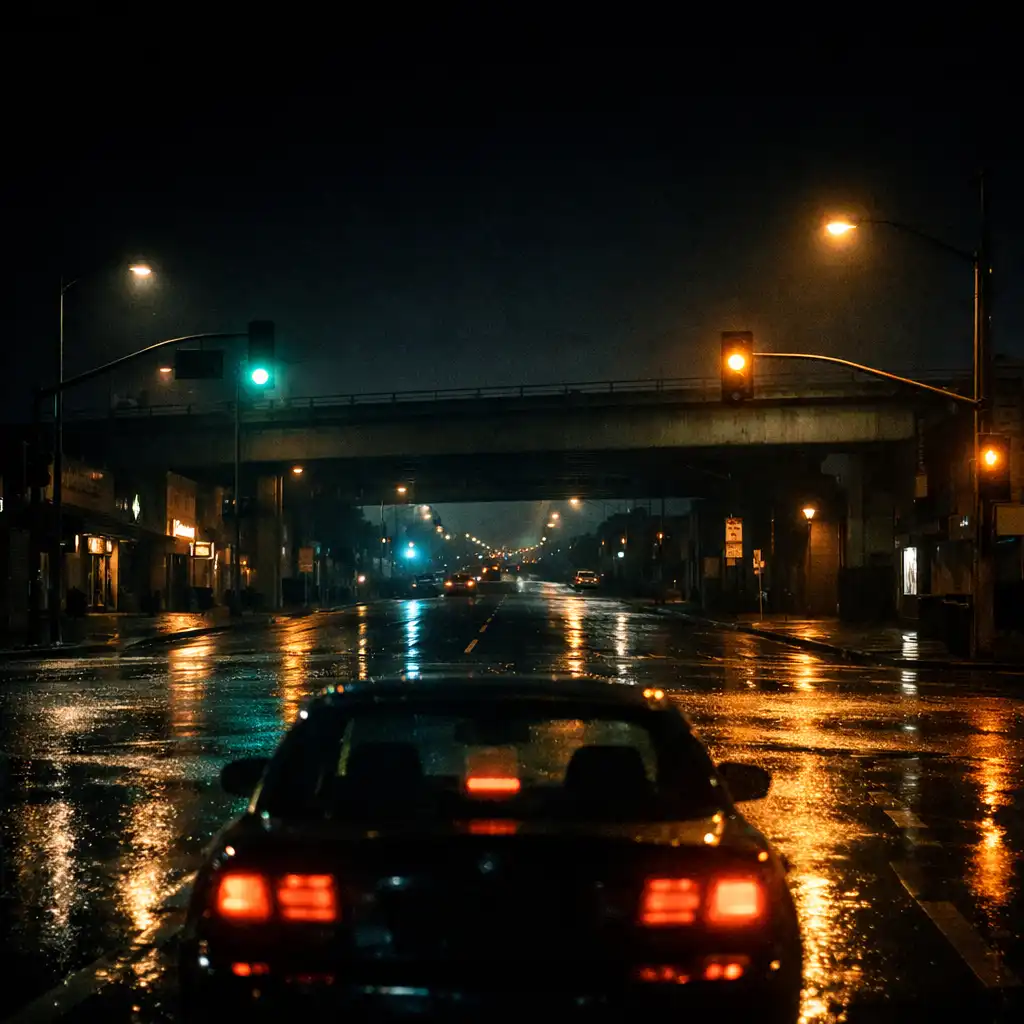
A vehicle travelling through a wet city intersection at night, with an open roadway ahead beneath cool concrete-blue shadows and amber street light.

01 / First read

Start with the prompt, not the pressure

Read

Read for the immediate task

When a prompt appears, give yourself a short beat to separate the clearest instruction from everything merely happening nearby. A busy scene can create pressure before you have decided what matters first. Looking for the immediate priority is not about guessing the whole situation; it is about forming one useful interpretation before you add movement to the mix. That first reading can reduce unnecessary detours and make the next decision easier to explain to yourself.

Observe

Scan the space around the task

In an Android open-world crime and city-exploration game, the city can be useful information rather than background noise. Before committing to a direction, notice the visible streets, obstacles, approaches, and room available to turn. You are not trying to map every detail. You are checking whether the line you are about to take feels legible on a mobile screen and whether there appears to be enough space to adjust if your first read changes.

Move

Choose one next action

Try to select one practical move instead of solving every possible complication at once. That may mean moving toward a clearer line, checking a direction, making a turn, or simply creating more visual space. A modest first action produces information for the action after it. It also keeps attention from being divided between several imagined problems that may never become relevant.

Takeaway: read, observe, then make one workable move.

02 / Preparation

Build a calm pre-mission routine

1

Settle the view

Before you move, make the immediate scene readable. Streets, traffic-like movement, bright landmarks, and nearby structures can all compete for attention. Treat visual orientation as a comfort practice rather than a hidden mechanic: identify the direction you intend to travel and the space you expect to use. A settled view gives your next choice a reference point, even when the scene feels crowded or changes quickly.

2

Keep your first route simple

Begin with the clearest available line of movement, then revise when the city gives you new information. On a touch device, a simple route can be easier to monitor than a plan with too many quick changes. Look for visual considerations such as an open stretch, a corner you can read, or enough turning room to stay composed. For a companion discussion of this mindset, visit the driving guide.

3

Leave room to adjust

Do not lock yourself into one plan simply because it was your first idea. When the immediate scene changes or a turn feels awkward, slow down mentally, choose the safer-looking line, and reassess what you can actually see. Flexibility is a way to learn from a moment, not a claim that every change will produce a better result. Keeping an option open makes the next observation more useful.

03 / City reading

Let the city inform the mission

Landmarks make decisions easier to revisit

Recognizable visual anchors can help rebuild your sense of direction after your attention shifts. An intersection, storefront light, larger structure, or open space may give a player a reference without needing a named location or special navigation feature. This is an observation habit: notice what helps you describe where you are and where you meant to go. The City & Exploration guide expands this way of reading the urban environment.

Street shape changes the feel of a choice

Narrow-looking approaches, broad openings, blind turns, and visual clutter can change how confidently a direction feels. That is a matter of perception and comfort, not a claim about fixed street layouts or environmental systems. If a route looks difficult to read, give yourself a visual reset before committing to it. Seeing a little farther ahead can be more valuable than rushing through a choice you have not had time to understand.

Exploration is useful even without a mission prompt

When you have space to explore the city, low-pressure observation can build familiarity with the cues and movement choices that suit you. It does not need to be a required step or a formal mode to be worthwhile. Notice what makes a route memorable, where your attention tends to drift, and which visual anchors help you reorient. For a fuller exploration-focused chapter, continue to City & Exploration.

04 / Movement

Route, control, and room to recover

Mission planning and driving awareness meet in the space between a chosen line and the next thing you notice. Treat movement as something to read, not merely something to rush.

Prioritize readable movement

Favour a line you can read and correct over one that only appears fast in the moment. Seeing the next turn or open space early can make movement feel less reactive on a mobile screen. The aim is not to claim the quickest path; it is to keep your decisions clear enough that you can adjust them as the scene gives you more to consider.

Read ahead.

Treat turns as decision points

A turn can be a useful point to reassess direction and available room rather than an automatic motion to push through. Look ahead where you can, and leave mental space to alter course if the approach stops looking comfortable. This small pause in your thinking can help keep the route connected to what is visible rather than to an assumption made several moments earlier.

Companion chapter

Use the driving guide for control-focused reading

Mission planning and driving confidence are related, but they are not the same question. For a focused companion discussion of route reading and control-minded movement, continue to the Driving guide. It is a useful next chapter when you want to think more closely about how your movement choices support a calm approach.

05 / Reassessment

When an attempt stops making sense

Caution

Pause the momentum

When a situation becomes unclear, resist the urge to repeat the same action immediately in your own decision-making. A short mental reset can reveal a missed cue, an awkward route read, or an assumption made too quickly. This is player discipline, not a game command: step back from the pressure you feel, look again at the visible scene, and decide whether the original interpretation still makes sense.

Change one variable

Adjust one part of your approach at a time, such as your route read, the moment you choose to turn, or the amount of observation you give the scene. These are examples of player choices, not documented requirements. Changing everything at once can make cause and effect harder to understand; one considered change gives the next result a clearer lesson and keeps guesswork from taking over.

Change one assumption. Then read what the new approach shows you.

Return to the fundamentals

If the uncertainty feels larger than one mission moment, it may help to return to broad habits rather than search for a single explanation. The Gameplay Guide offers a wider place to revisit general play and decision-making. Use it as a grounding chapter for your own approach, not as a promise that it will solve a named mechanic or situation.

06 / Wider context

A mission is part of the full game picture

Look beyond a single objective

A useful impression of an open-world game comes from how mission moments sit beside movement, city atmosphere, and general play, not from one isolated scene. Different players may value those parts differently, which is why this guide treats missions as one connected chapter rather than a final judgement. Urban Story Drive brings together original review context and practical reading on gameplay, missions, driving, and urban exploration.

07 / Field reference

Mission reading checklist

01

Read the immediate cue

Identify the next actionable piece of information before you add movement or react to pressure around it.

02

Read the surrounding street

Use visible space and landmarks to choose a direction that feels more legible and easier to revisit.

03

Keep the first move manageable

Choose a simple route or action that leaves room to reassess as the situation becomes clearer.

04

Review before repeating

Change one assumption at a time after confusion. Review the recovery notes.

08 / Connected chapters

Continue the guide series

Choose the next chapter based on the part of play you want to think through next.

01

Gameplay Guide

Revisit broad, foundational play habits after the mission-specific discussion.

03

Driving

Continue with a focused companion discussion of route reading and measured movement.

04

Full Review

See the broadest site perspective on the game and how these subjects connect.

Official route


Find the official listing

Urban Story Drive is an informational site. If you are ready to check installation details, use the official Google Play listing only. This page does not offer in-site play, APK files, modified versions, or unofficial download routes.

View on Google Play (opens the official Google Play listing in a new tab)