01 / Orientation
Start by learning the rhythm, not by rushing the route
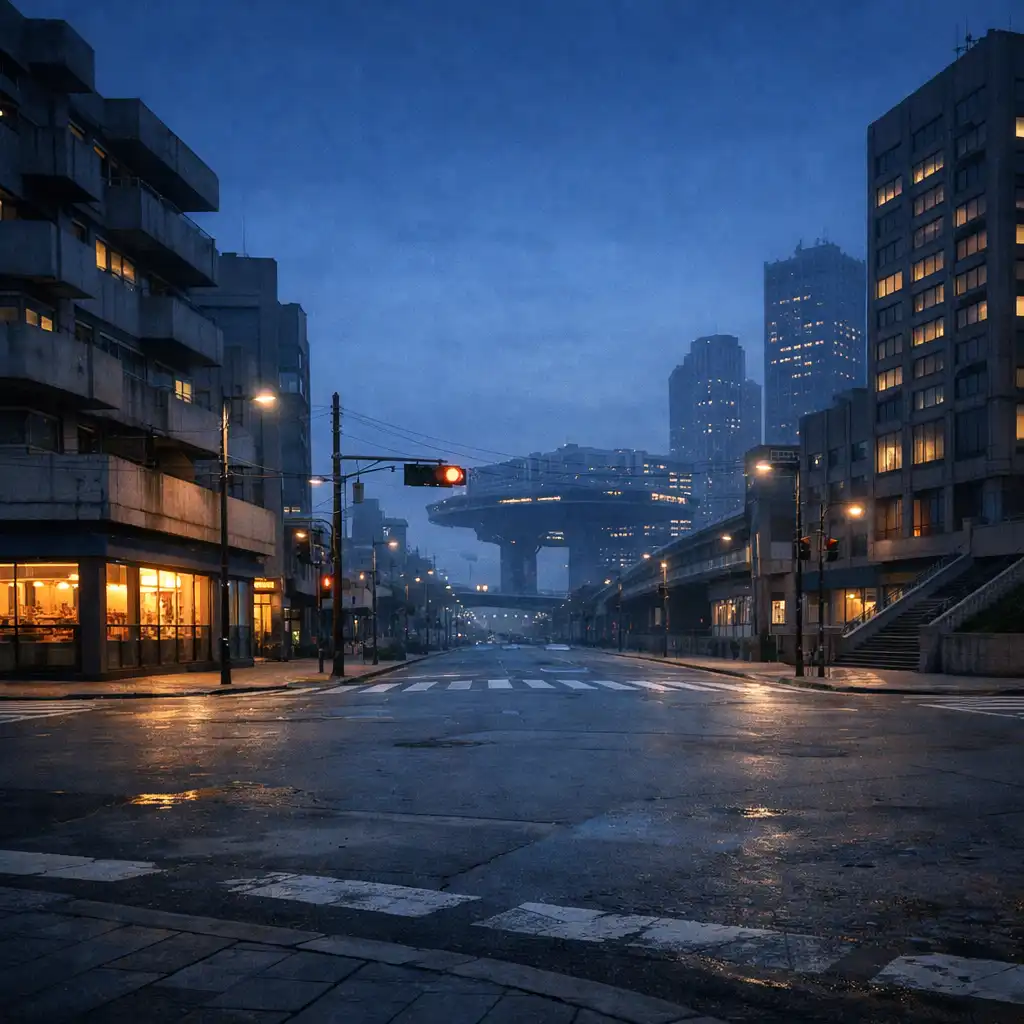
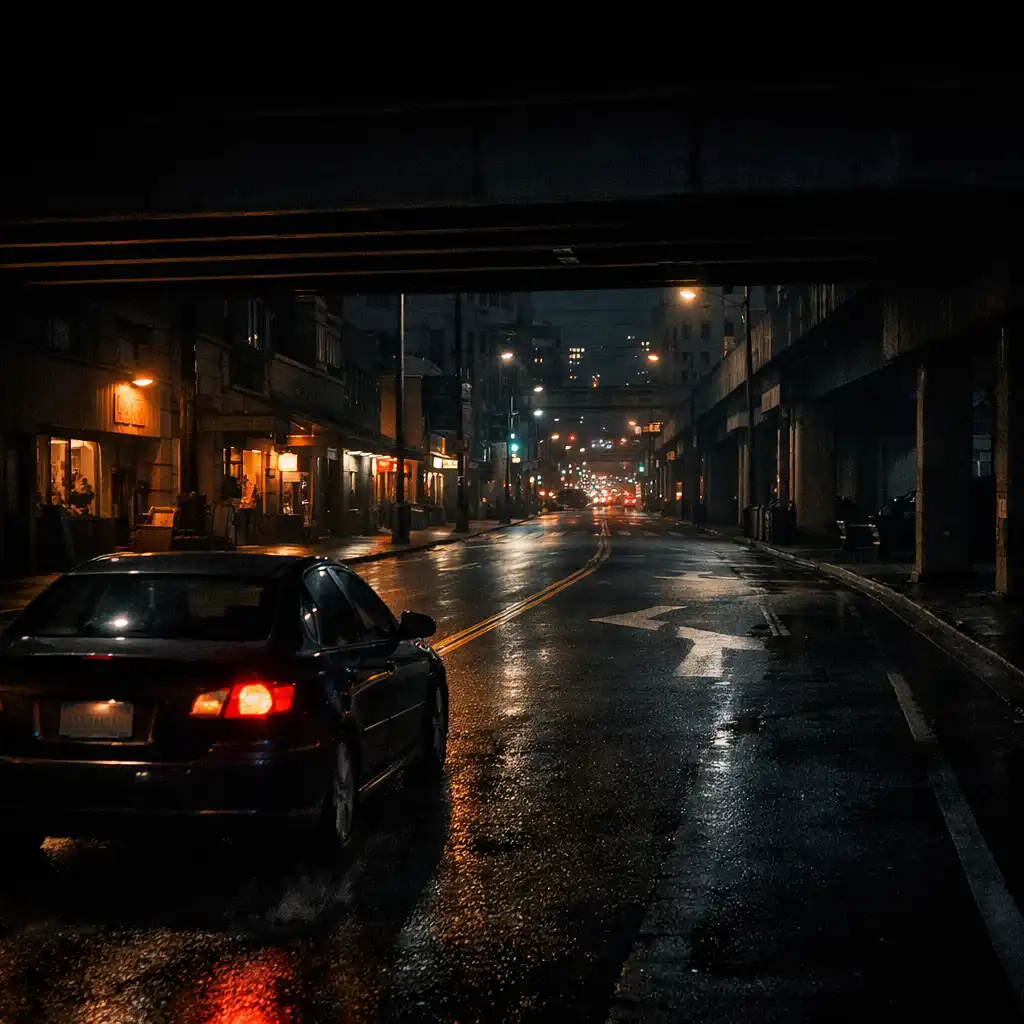
The first stretch of play is most useful when it feels unhurried. Before trying to make every moment count, give yourself room to notice how movement responds, how the camera frames a street, how spaces open or narrow, and how travelling feels different from committing to an activity.
That small period of attention can make later choices less confusing. Rather than reacting instantly to every event or prompt you encounter, pause mentally and ask what you can actually see. Familiarity is not a prize for finishing quickly; it is the groundwork that lets you make a calmer decision when a route, task, or unfamiliar area asks more of you.
Choose one small question at a time
In a short attempt, decide what you are trying to learn instead of measuring the whole session by completion. One question is enough to give the next few minutes a purpose and make the result easier to understand.
- Navigation feel: How does a familiar direction read when you take it slowly?
- Route awareness: Which visible turn or open sightline helps you remember where you are?
- Task beginnings: When the game presents an activity, what information is available before you commit?
Repeatable observation is more useful than perfection. If the answer is incomplete, you have still learned what to look for next time.
Let a reset become information
A missed turn, awkward stop, or unsuccessful attempt is not an instruction to repeat the same approach faster. Name one moment that felt unclear, then make one adjustment: give yourself more room, watch a landmark longer, or begin with a simpler intention. The useful part is the feedback you carry forward.