
A city is more than the next objective
Learn the city’s rhythm
Exploratory time can make movement feel less reactive. Rather than rushing only toward the next prompt, pause long enough to notice how a turn follows an intersection, where a longer stretch of road opens up, and which visual anchors stay in mind after you pass them. This is observation, not a guaranteed advantage. The useful change is simply retaining a sense of where you have come from, so the next decision feels connected to the route behind you.
Let atmosphere do some of the work
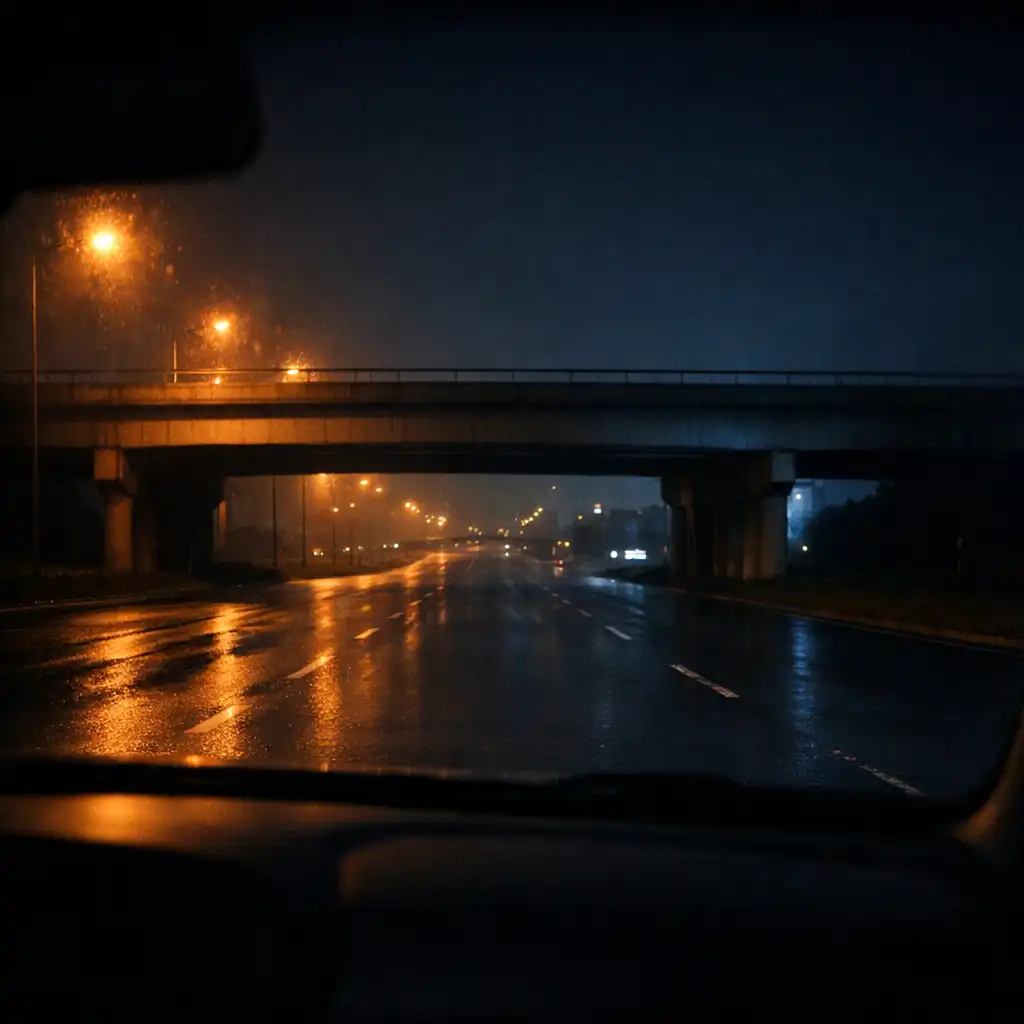
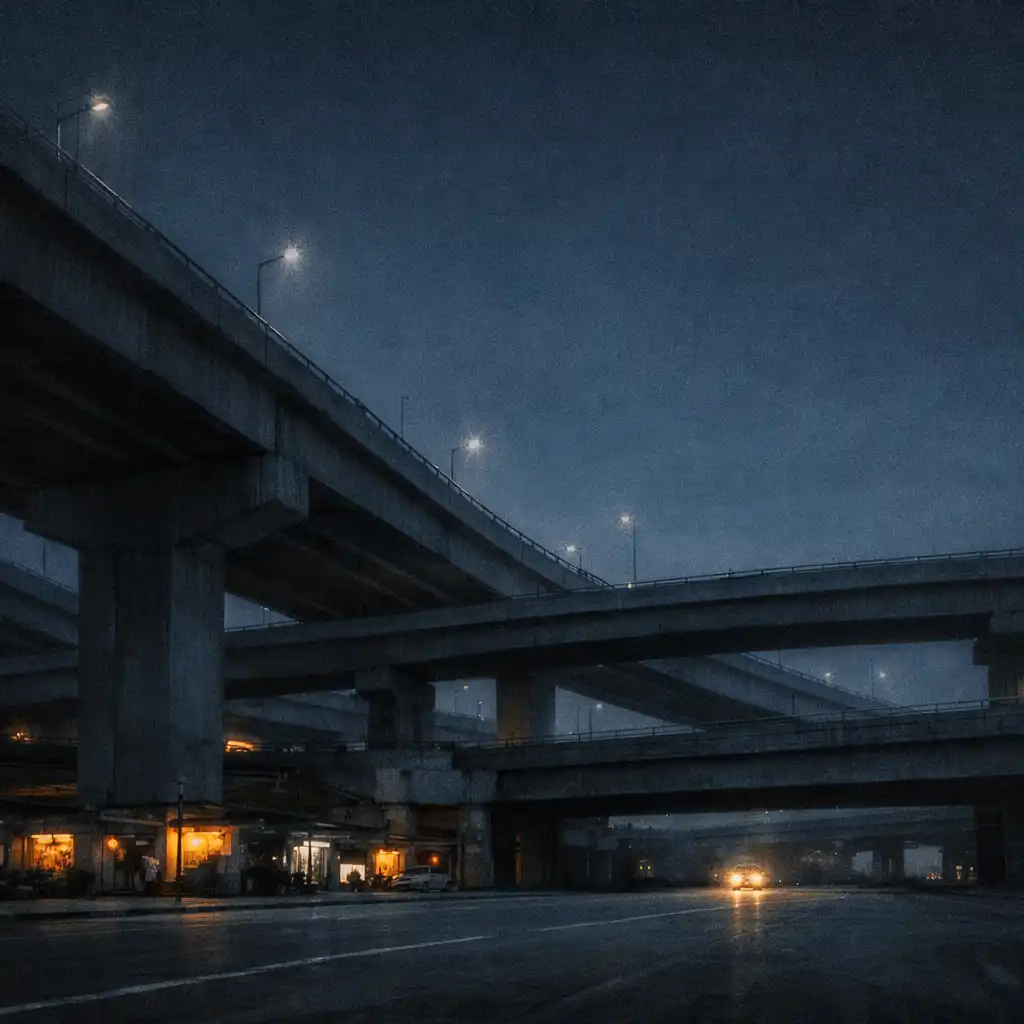
In an urban crime game, exploration can also be a way to set the pace of a session. Asphalt, storefront glow, concrete edges, distance, and an unplanned detour can make a route memorable without promising a reward at its end. Those are editorial ways of describing attention, not claims about a named district, a weather system, or a particular architectural feature in the game.
A worthwhile route may be memorable because it helps you stay oriented, not because it guarantees a discovery.
Build confidence before pressure
Unhurried movement can help basic navigation and vehicle handling feel less unfamiliar when a session later asks for more focus. That familiarity is personal and grows through repeated play; it does not guarantee better performance. For a broader look at moment-to-moment play, continue with the Gameplay Guide or read the handling-focused perspective in Driving .