01 / Perspective
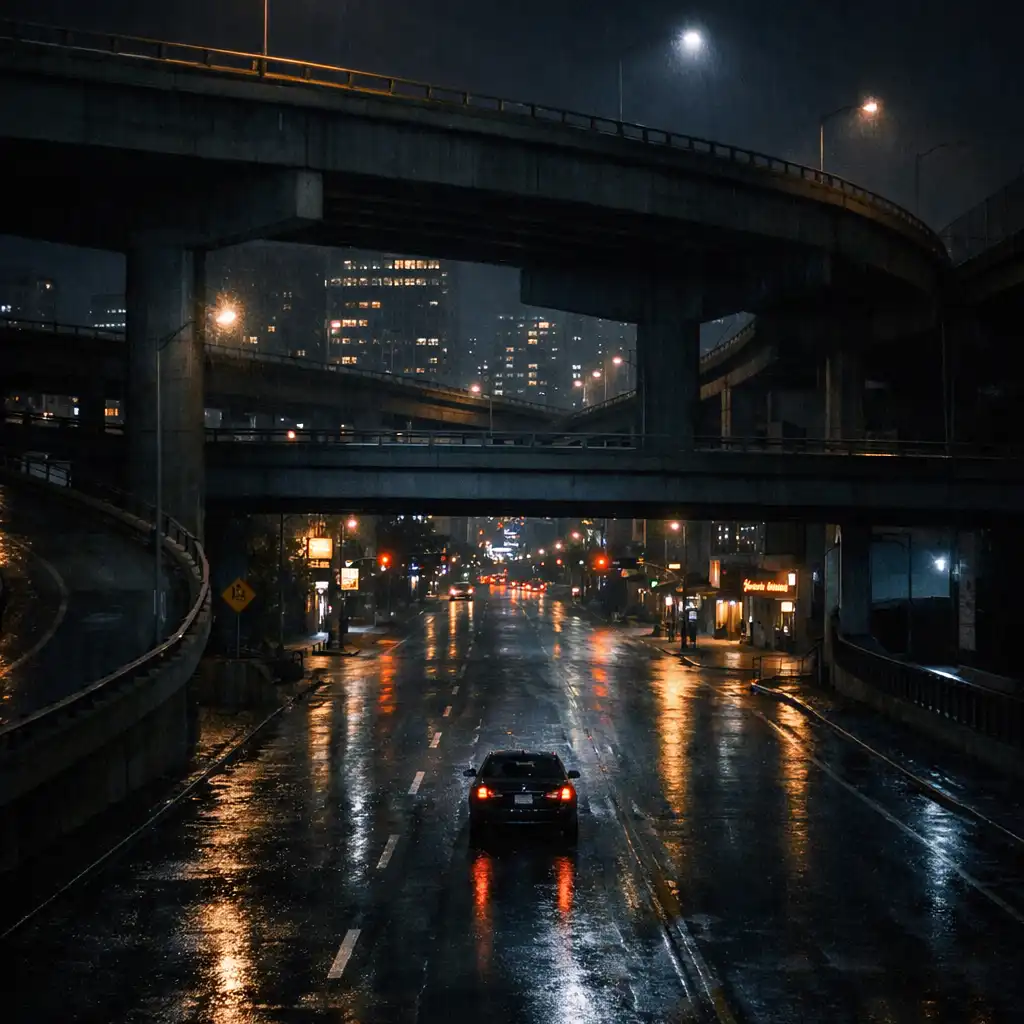
Driving is part of reading the city
Movement creates orientation
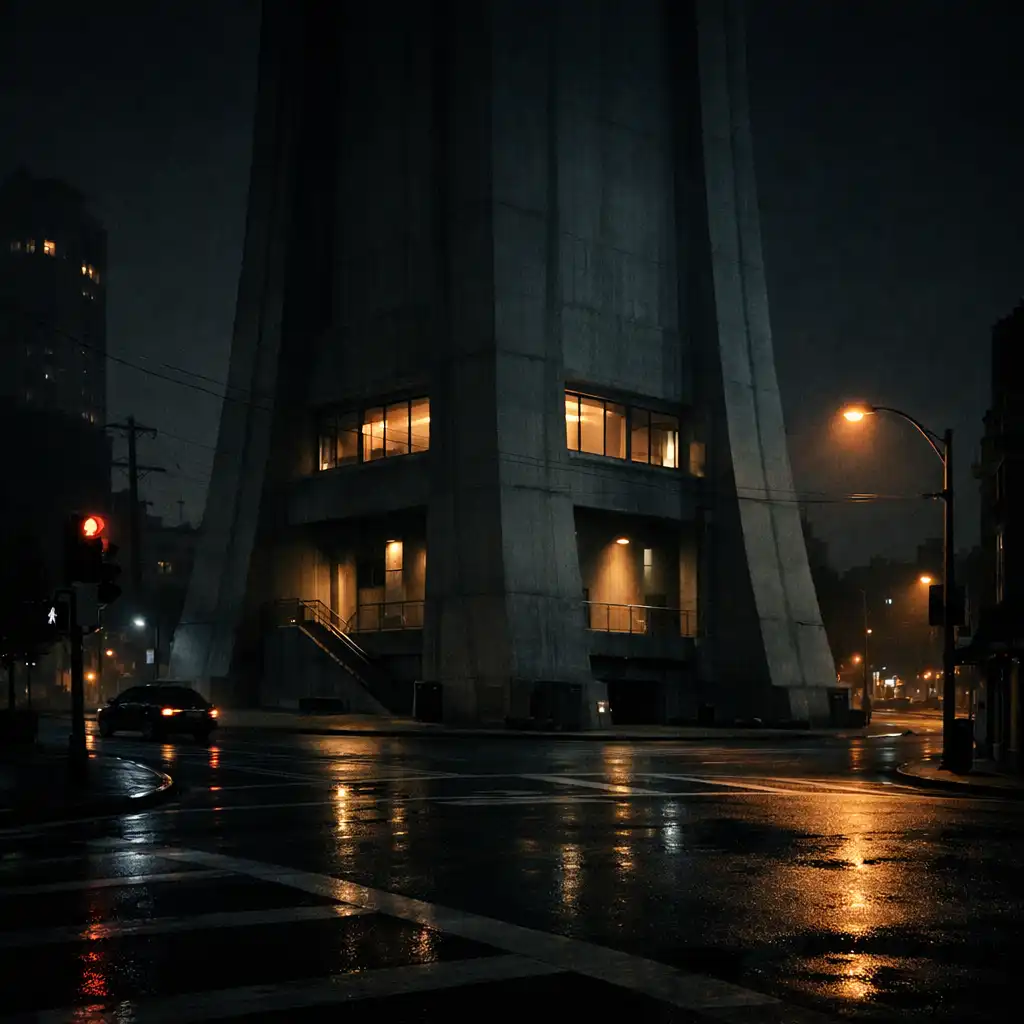
Repeated travel can gradually turn separate street views into a working picture of the city. A familiar junction, a change in building height, or a turn that reappears on a later trip may become a personal reference point. That is a player habit rather than a promise about any particular map design: notice what remains recognizable between trips, then let those details support your next decision.
For a broader way to observe connected spaces, continue with City & Exploration .
Travel sets the pace
Choosing when to slow your thinking, turn, or take a moment before an unfamiliar corner can make a trip easier to read on a mobile screen. If a junction looks busy or the next direction is unclear, treat the view as information first. This is not a claim that pace changes an outcome; it is simply a way to give your attention enough room to catch up with what is visible.
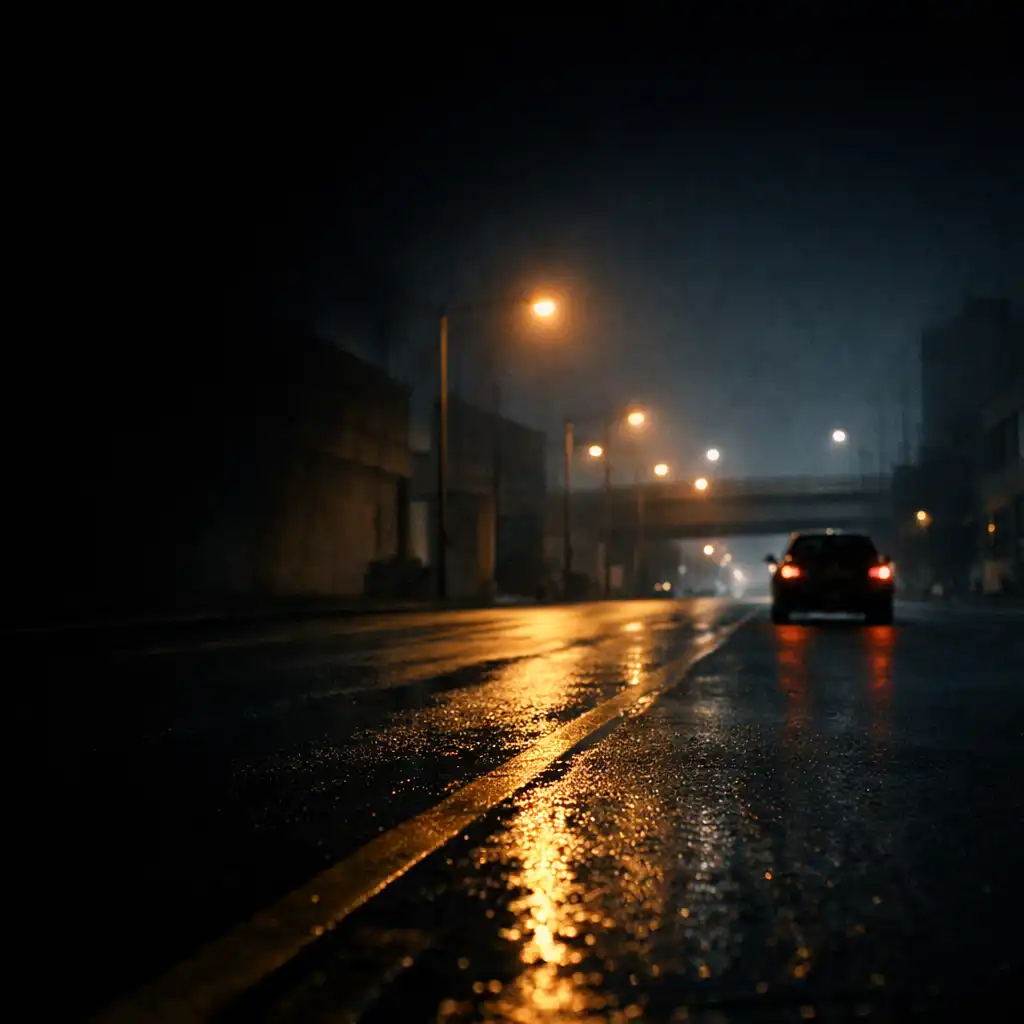
A vehicle can be a viewpoint
Driving changes the scale of what you see. Distance, street character, and possible connections can become clearer when they pass through the frame together. Use the conditions on your own screen as the guide, and let a moving view reveal questions worth following. The Full Review places that urban experience in a wider editorial context.